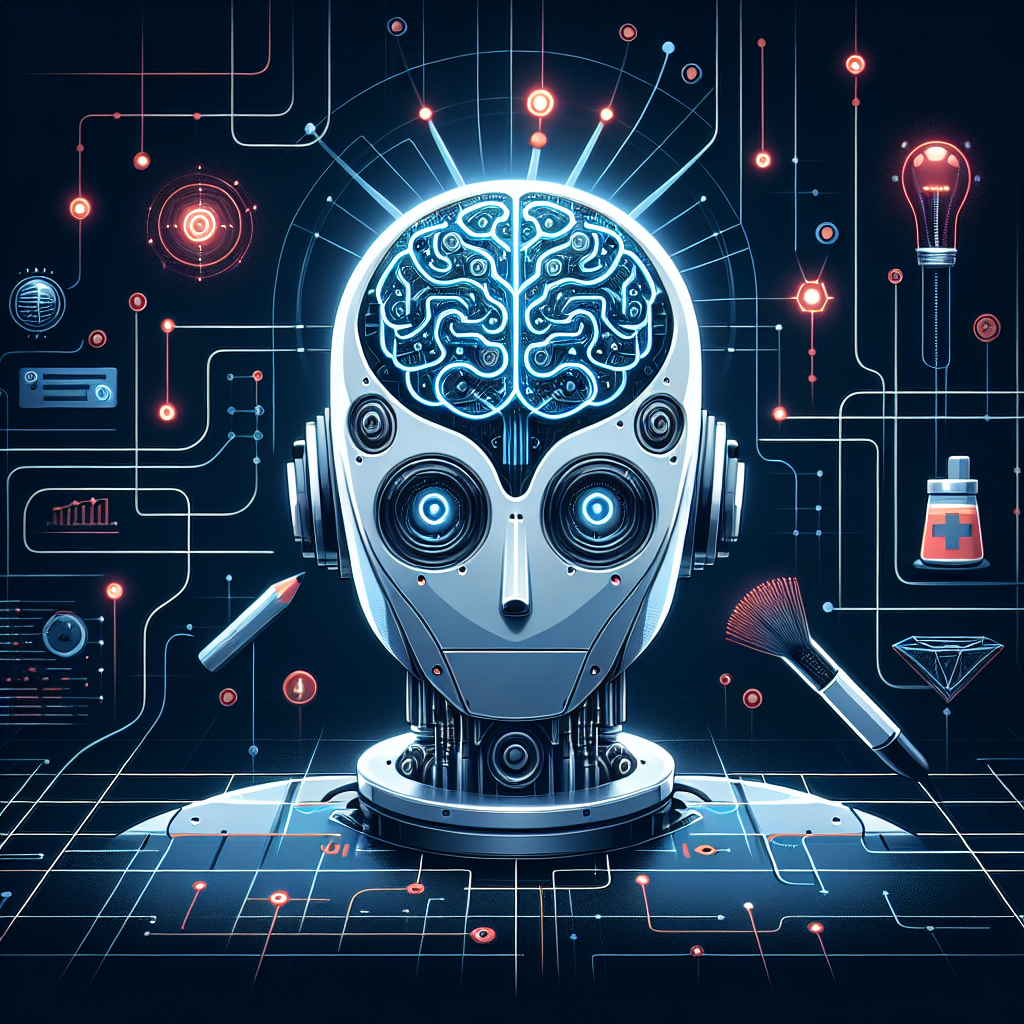
Physical Intelligence Unveils Revolutionary Robot Brain Capable of Learning Uncharted Tasks
Disruption in Robotics: A New Era of Task Automation
Physical Intelligence, an emerging robotics startup, is making waves in the tech industry with claims that their newly developed robot brain can independently learn and perform tasks it was never explicitly programmed to execute. This technological breakthrough, if validated, could propel the robotics field into a new era of automation and task efficiency, setting a substantial precedent in the development of autonomous systems.
At the core of this innovation is the principle of machine learning adaptation in robotics—a profound leap away from traditional paradigms where robots were restricted to predefined sets of instructions. The robot brain from Physical Intelligence incorporates advanced neural network simulations, mimicking biological brains’ ability to learn from experience. This mechanism allows machines to seek, adapt, and optimize solutions autonomously, a capability resonating with ongoing demands for more sophisticated and adaptable robotic solutions in various industries.
Technological Hurdles: From Concept to Real-World Application
While the premise is promising, several challenges loom large. Autonomous learning in robots, although compelling, faces technical complexities. It requires intricate hardware-software synchrony and vast data to ensure operational safety and efficiency. The challenges notably include overcoming real-time processing limitations and developing robust AI models that are resistant to unpredictable environmental stimuli.
As industry experts highlight, the reality of integrating such advanced autonomous systems into practical environments poses significant logistical hurdles. Specifically, the sophistication needed to ensure these robots make ethical, critical decisions without human oversight is yet another layer of complexity. Initial trials could face scrutiny around their potential impact on employment within sectors heavily relying on mechanized labor, a fear reminiscent of the advent of AI-driven automation.
Implications for the Labor Market Amidst Technological Advancements
The introduction of task-learning robotics directly ties into broader conversations about the evolving dynamics of labor markets. With automation continually advancing, concerns around job displacement and economic inequality have garnered significant attention. This is particularly pertinent as industries navigate the aftermath of events like the COVID-19 pandemic and ongoing labor disputes, exemplified by the SAG-AFTRA and WGA strikes. Workers demand better protections and job security amidst technological disruptions, and the implementation of self-learning robots could exacerbate these tensions.
However, Physical Intelligence asserts that their robots aim to complement, rather than replace, human workers by taking on hazardous, repetitive, or highly technical tasks. This pivot towards collaborative automation helps allay some fears, positioning robots as partners in productivity rather than competitors for employment.
Spread and Adaptation: Economic and Industrial Adoption
Markets that stand to benefit from the promise of autonomous learning robotics extend across diverse domains. Manufacturing could see efficiency upticks through automated assembly lines, while logistics and supply chain industries could benefit from enhanced adaptive capabilities in warehousing and distribution. Furthermore, the agricultural sector, grappling with labor shortages and environmental constraints, presents another critical domain poised for robotic intervention.
Yet, as these technologies become more pervasive, the critical infrastructure required to support them—namely, robust data ecosystems and powerful computational resources—must also scale radically. The growing dependence on AI data centers marks a significant shift in supply chain strategies, necessitating investments in infrastructure capable of supporting real-time data processing and machine learning workloads.
Industry Response and Competitive Dynamics
Unsurprisingly, Physical Intelligence’s announcement has provoked mixed reactions within the tech industry. Established robotics firms may perceive this development as both a challenge and an opportunity to accelerate their R&D in AI-driven robotics solutions. Meanwhile, industry watchdogs advocate for stringent regulatory frameworks to guide the ethical deployment and implications of such technology.
In parallel, venture capitalists and private equity firms have shown significant interest, underscoring the potential economic impact of breakthrough robotics innovations. However, the scrutiny and financial backing have instigated debates over ensuring sustainable, inclusive growth that does not sideline ethical concerns or exacerbate societal inequalities.
The Regulatory Landscape and Ethical Considerations
Determining the regulatory path for self-learning robotics involves navigating an intricate web of legal, ethical, and societal considerations. The Responsibility of manipulating autonomous AI systems draws parallels with the broader conversations around artificial intelligence ethics, including issues of accountability, privacy, and bias. Policymakers face mounting pressure to establish frameworks that ensure robotics technologies are developed and implemented responsively.
Furthermore, cases of unanticipated AI behavior have historically prompted caution. Industry analysts emphasize the importance of transparent AI systems capable of explaining their decision-making rationale, an essential feature to allay fears of unintended consequences resulting from autonomous robotics deployment.
Conclusion: Setting a Course for Revolutionary Change
Physical Intelligence’s announcement marks potentially transformative progress in robotics technology, opening a window into a future where machines contribute dynamically to solving complex, unforeseen tasks. However, the journey towards integrating these systems seamlessly into society remains fraught with challenges, spanning technical, ethical, and socioeconomic realms.
As we stand on the precipice of what could herald a new epoch in automation, the conversation must remain anchored in fact-based analysis, guided by principles that balance innovation with societal welfare. It is only through navigating these intricate challenges with foresight and responsibility that the full potential of autonomous robot learning can be realized to benefit not just industries, but society at large.
답글 남기기