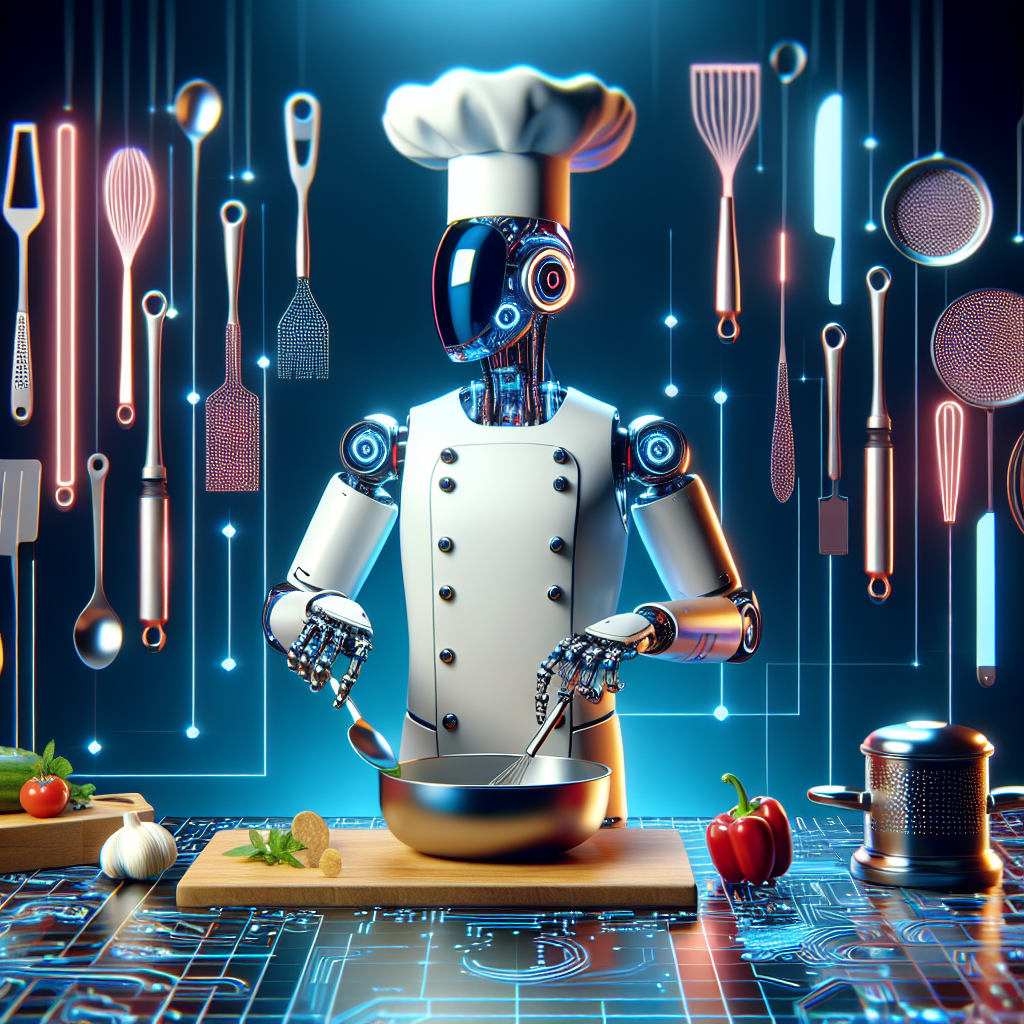
Chef Robotics Escapes the Robot Cooking Graveyard and Declares Its Resurgence
Introduction: A High-Stakes Game in Culinary Automation
In an industry littered with failed experiments and half-baked ideas, Chef Robotics claims not only survival but newfound success. As tech giants and startups alike have tasted bitter outcomes in their quest to revolutionize culinary automation, this revitalization demands scrutiny. To understand Chef Robotics’ narrative, one must consider the broader context: a post-pandemic world where automation is both a promise and a peril in labor and technology.
Economic Landscape: The Shift Towards Automation
While the concept of robotic chefs is not novel, the timing of Chef Robotics’ resurgence aligns with crucial macroeconomic shifts. Businesses worldwide are under unprecedented pressure to streamline operations amid soaring labor costs and a mounting push for enhanced productivity. According to the Bureau of Labor Statistics, the hospitality and food service sector is grappling with a persistent labor shortage that intensifies the allure of automated solutions.
Moreover, inflationary pressures have tightened operating margins. Companies are therefore viewing automation as a tool not just for efficiency but a strategic necessity for survival. With a firm grasp of these economic tailwinds, Chef Robotics realigned its strategy to position itself as a savior rather than a mere convenience.
Technological Evolution: From Novelty to Necessity
The technology landscape underscores the significant shifts enabling Chef Robotics’ success. Unlike past iterations of robotic chefs that became mere curiosities, today’s improved machine learning algorithms, sensor technologies, and cloud computing capabilities offer genuine practical applications. The integration of AI has progressed from glorified kitchen gadgets to core operational components capable of sophisticated tasks, from recipe learning to adaptive cooking processes.
Chef Robotics has deftly capitalized on these advancements, developing systems adept at handling complex culinary tasks. The company’s pivot towards democratizing automated culinary solutions for a wider segment of the restaurant market reflects a strategic adaptation to current technological realities.
Strategic Alliances: Forging Industry Ties
One cannot discuss Chef Robotics’ resurgence without acknowledging its strategic partnerships. In a landscape where collaboration can dictate success or failure, Chef Robotics has secured alliances with major restaurant chains and food distributors. These partnerships signal not only a vote of confidence but expand the company’s reach far beyond niche early adopters.
In parallel, the involvement of luminary investors from the fintech and AI spaces has injected both capital and credibility. Investors with backgrounds in transformative technologies bring not only financial resources but invaluable insights to guide Chef Robotics towards sustainable scaling and market penetration.
Industry Challenges: Navigating Skepticism and Resistance
Despite reported successes, Chef Robotics faces its share of challenges. Industry skepticism remains a formidable hurdle as restaurateurs weigh the trade-offs between automation and traditional culinary crafts. Operational integration comes with its own set of logistical challenges, from training staff to recalibrating kitchen workflows to accommodate automated systems.
Moreover, labor disputes, such as the ongoing SAG-AFTRA and WGA strikes, have reignited debates around automation’s impact on employment—an issue Chef Robotics must tactfully navigate. Skilled laborers view technological incursion with suspicion, fearing accelerated job displacement.
Future Prospects: Sustainability and Ethical Considerations
Looking forward, the sustainability of Chef Robotics’ success hinges on addressing ethical and operational considerations. With growing scrutiny over environmental footprints, the company must ensure its robotic ecosystems are energy-efficient, minimizing their ecological impact while remaining cost-effective.
Simultaneously, transparent communication with stakeholders, from investors to consumers, is imperative to allaying fears around data security and privacy. Chef Robotics must diligently safeguard integrated systems against cyber threats, ensuring consumer trust is not compromised.
Conclusion: A Culinary Revolution in the Making?
Chef Robotics’ claim of thriving when others failed stems from strategic pivots aligning technology, economy, and partnerships. While challenges remain in convincing the food service industry of the merits of automation, success in this arena could herald a seismic shift in how we perceive and interact with culinary technology.
As the company navigates this complex terrain, the cautionary tales of other failed ventures serve as crucial reminders. The future of Chef Robotics balances on a knife’s edge—one guided by innovation, ethical foresight, and adaptability in an ever-evolving market landscape.
답글 남기기